As the world anticipates the arrival of 2026, a shadow of caution is falling over some of its most iconic New Year’s Eve celebrations. Major cities, grappling with security concerns and logistical challenges, are quietly scaling back or outright canceling long-held traditions.
Paris, famed for its dazzling Champs-Élysées concert, has made the difficult decision to forgo the live performance. City officials cite fears of “unpredictable crowds” and the inability of the area to safely accommodate such a massive gathering. While fireworks will still illuminate the Arc de Triomphe, the concert will be a pre-recorded broadcast, a stark departure from the vibrant energy of years past.
Tokyo is also adjusting its plans. The beloved Shibuya Countdown Event, a focal point for New Year’s revelry, has been canceled by organizers. Authorities emphasize the need to prevent disruptive behavior, particularly public drinking and the potential for dangerous crowd surges, prioritizing the safety of the city.
The Serbian capital of Belgrade has announced a complete cancellation of organized New Year’s Eve and Serbian New Year’s Eve celebrations. The decision reflects a broader trend of heightened vigilance and a reassessment of large-scale public events.
These cancellations arrive against a backdrop of genuine security threats. Just this week, the FBI disrupted a chilling New Year’s Eve bombing plot in Los Angeles, arresting four individuals allegedly planning coordinated attacks on five locations across the city using improvised explosives.
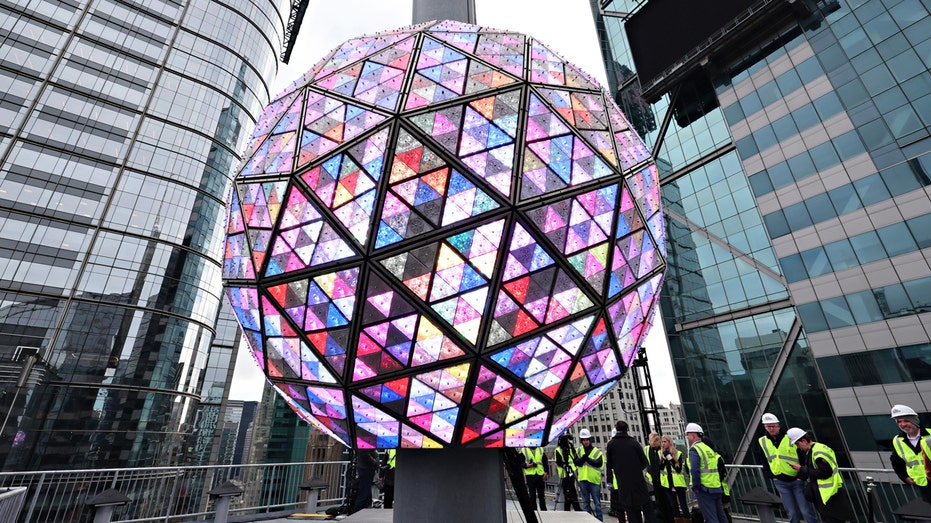
Despite these concerns, Times Square in New York City remains steadfast in its commitment to the iconic ball drop. Authorities anticipate a crowd of approximately one million people, making it one of the most heavily secured events in the nation.
Former NYPD inspector Paul Mauro emphasizes the immense logistical undertaking required to secure Times Square. He compares the event to the “Super Bowl” for the NYPD, demanding meticulous planning to manage not only potential terrorist threats but also the risk of widespread disorder and accidental injuries.
Mauro recalls the extensive preparations undertaken leading up to the year 2000, describing a comprehensive effort to secure the area with a multi-layered ring of security involving local, state, and federal agencies. Today’s security measures are even more sophisticated, reflecting lessons learned and evolving threats.
For those venturing into the heart of Times Square, Mauro stresses the importance of having a contingency plan. The sheer density of the crowd makes it easy to become separated from companions, and overloaded cell networks can hinder communication.
Interestingly, a shift in preferences is also emerging. Travel advisors are reporting a growing demand for more private and exclusive New Year’s Eve experiences. Many are choosing curated events, intimate dinners, and luxurious cruises over the overwhelming crowds of public celebrations.
This trend, accelerated by the pandemic, reflects a desire for memorable experiences without the discomfort of being packed shoulder-to-shoulder with strangers. Members-only clubs and high-end ticketed events are gaining popularity, offering a more refined and secure way to welcome the new year.
The changing landscape of New Year’s Eve celebrations underscores a growing awareness of both security vulnerabilities and evolving desires for more personalized experiences. As 2026 approaches, cities and individuals alike are carefully considering how to ring in the new year safely and meaningfully.