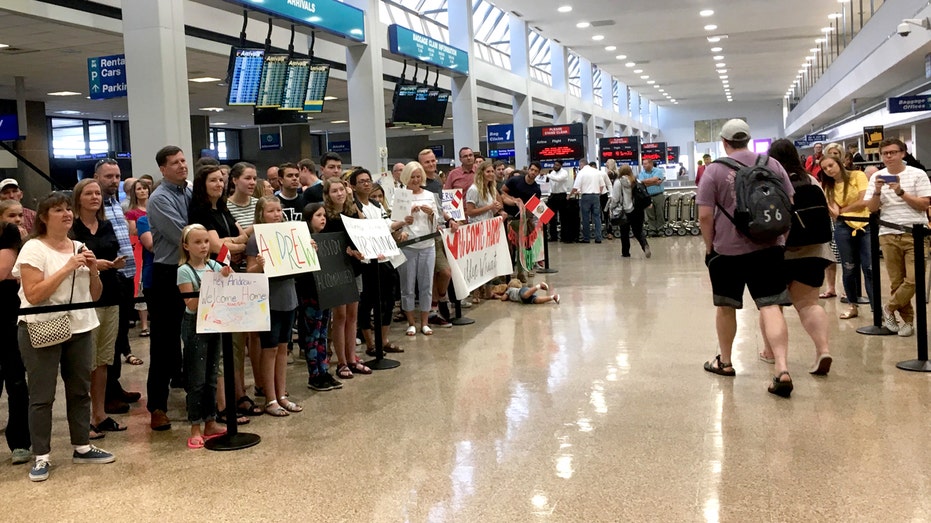
For decades, airports were vibrant hubs of connection, places where farewells lingered and welcomes were warm. Before the world changed on September 11th, anyone could escort loved ones to their gate, sharing precious moments right up until takeoff. This cherished tradition, a cornerstone of the travel experience, quietly vanished in the wake of heightened security measures.
The attacks of 2001 fundamentally reshaped air travel. The Transportation Security Administration (TSA) was born, and with it came strict regulations limiting access to secure areas of airports. Suddenly, saying goodbye meant a rushed farewell at security, a stark contrast to the leisurely goodbyes of the past.
Now, a subtle shift is underway. Airports across the country are cautiously beginning to reinstate a version of that lost tradition. Oakland International Airport recently announced a program allowing “non-passengers” to obtain guest passes, granting them access beyond security checkpoints.
The process requires advance application and TSA approval, a necessary step in today’s security landscape. Approved visitors must present their pass alongside a valid, TSA-approved photo identification. It’s a far cry from simply walking through security, but it’s a step closer to reclaiming a piece of the past.
Oakland isn’t alone. Airports in Cleveland, San Antonio, Kansas City, Philadelphia, and Detroit are experimenting with similar programs, each with its own name – “hangout pass,” “SAT Pass,” “guest pass,” “wingmate pass,” and “destination pass.” These initiatives represent a growing recognition of the emotional value of shared travel experiences.
Online, the news sparked a wave of nostalgia. Travelers shared heartfelt memories of a time when airports felt more open and welcoming. Stories emerged of grandmothers greeting children at the gate, families gathering to watch planes take off, and the simple joy of accompanying a loved one on their journey.
One commenter recalled the ease of unticketed companions accompanying travelers to the gate. Another fondly remembered visiting their grandmother after a flight, a simple pleasure now largely unavailable. The sentiment was consistent: airports were once places to *be*, not just to *pass through*.
The return of these passes isn’t guaranteed. Oakland airport explicitly states the program is subject to change or cancellation based on security needs. However, the very existence of these initiatives signals a willingness to balance security with the human desire for connection, offering a glimmer of hope for a more welcoming airport experience.
These passes offer a chance to recapture a small piece of what was lost, a reminder that travel is about more than just reaching a destination – it’s about the people we share the journey with, and the memories we create along the way.