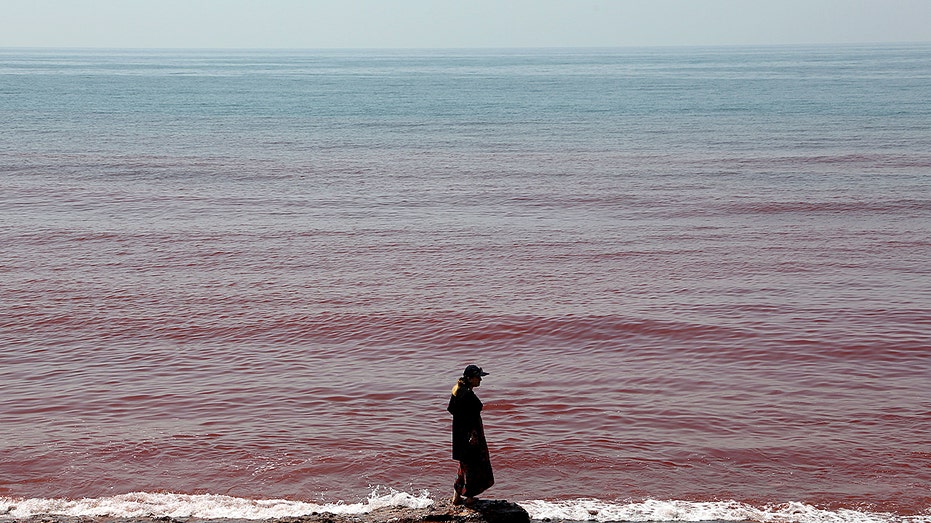
The landscape of Hormuz Island transformed into a scene of startling beauty and unsettling intensity. Recent torrential rains unleashed a phenomenon that turned the island’s terrain a dramatic, blood-red hue, captured in viral footage that quickly spread across the globe.
Footage revealed a crimson tide washing over the aptly named Red Beach, a spectacle born from the island’s unique geological composition. The downpour didn’t simply wet the earth; it awakened a hidden vibrancy within the soil, releasing a wave of color into the surrounding waters.
The secret lies within the island’s very foundation – a rich concentration of iron oxide. This mineral, combined with the force of the rain, created a potent mixture, dissolving the earth’s pigment and carrying it downhill towards the Persian Gulf.
Hormuz Island isn’t built of typical soil, but a complex blend of red soil and salt rock. Scientific studies detail the dominance of hematite, a form of iron oxide, as the primary source of this striking coloration, far outweighing other iron compounds.
Locals affectionately call the island “Rainbow Island” due to its diverse and colorful geological formations. However, this recent event showcased a single, dominant shade, a powerful reminder of the forces shaping this unique landmass.
The phenomenon evoked comparisons to ancient tales of “blood rain,” but scientists assure us this is a completely natural occurrence. It’s a stunning demonstration of how geology and weather can collide to create a breathtaking, if somewhat eerie, display.
Hormuz Island is a salt dome, a geological structure formed by upward-moving rock salt, gypsum, and anhydrite. This unique structure is surprisingly fluid under pressure, contributing to the island’s unusual landscape and the ease with which minerals are dispersed.
The locally known “golak” – the iron-oxide-rich soil – is the key ingredient. When rain descends upon the hills and cliffs, it acts as a solvent, liberating the fine red particles and carrying them into the island’s waterways.
The resulting crimson runoff isn’t simply colored; it’s a demonstration of light itself. The suspended iron oxide absorbs shorter wavelengths, reflecting the longer, red wavelengths, painting the water with a vivid, unforgettable hue.
This “blood rain” isn’t exclusive to Hormuz Island. Similar events occur when rain or runoff carries dust, mineral-rich soil, or even algae, creating temporary, yet dramatic, color shifts in the water.
The spectacle on Hormuz Island serves as a potent reminder of the hidden wonders within our planet. It’s a testament to the power of natural processes and the captivating beauty that can emerge from the most unexpected combinations.