In Ciénaga, Colombia, a somber anniversary was marked – the 97th remembrance of the “Banana Massacre.” President Gustavo Petro delivered a stunning acknowledgment: the Colombian state bore responsibility for the brutal killings of striking workers in 1928, a moment etched into the nation’s labor history.
The tragedy unfolded when workers on a United Fruit Company plantation, protesting dire conditions, were met with gunfire from the Colombian army. Petro revealed a chilling detail from the time – a U.S. ambassador’s cable estimating over a thousand deaths, a number history has struggled to definitively confirm. The air hung heavy with the weight of unresolved truth.
But the echoes of 1928 resonated with a disturbing familiarity, according to the President. He drew parallels to present-day U.S.-Colombia relations, hinting at a recurring pattern of external pressure and veiled threats of intervention should Colombia deviate from external expectations. The past, it seemed, was not merely remembered, but actively mirrored.
Historical records corroborate a troubling dynamic. A U.S. ambassador at the time reported the United Fruit Company – now known as Chiquita Brands International – directly informed him the military crackdown resulted in over 1,000 worker deaths. This wasn’t simply a domestic issue; it was a collision of economic interests and political power.
The commemoration wasn’t solely a recounting of past horrors. It was a call to action. President Petro implored Colombia’s security forces to uphold the Constitution and human dignity, asserting that no order, from any leader, should supersede those fundamental principles. His words were a direct challenge to unchecked authority.
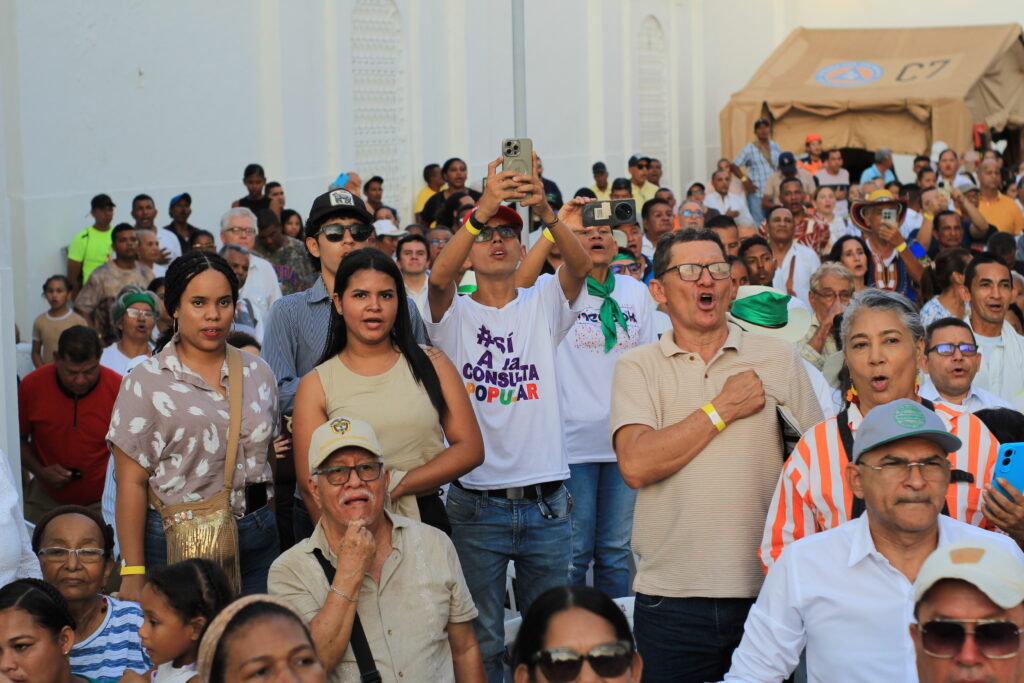
A pop-up museum, floral tributes, and the poignant strains of “Las Bananeras” filled the town square, creating a space for collective mourning and remembrance. The Ministry of Labor, the National Union School, and CONARE – a committee representing union victims – organized forums to discuss memory, reparations, and the enduring legacy of violence.
Mildreth Maldonado Pava, representing descendants of victims, spoke with raw emotion. Her grandfather survived the massacre, and she carried the weight of generations seeking truth and justice. “It is difficult, but not impossible, to know the truth,” she declared, fulfilling a century-long dream.
Colombia remains a perilous place for labor activists. Shockingly, 63% of all trade unionist murders worldwide between 1971 and 2023 occurred within its borders. Over 15,000 acts of violence against Colombian trade unionists have been recorded since 1970, a stark testament to the risks of advocating for workers’ rights.
The concept of “Collective Reparation” – offering redress to groups harmed by the conflict – is gaining traction. Petro’s government took a historic step in 2023 by formally recognizing the union movement as eligible for this type of collective redress, acknowledging decades of systemic persecution.
Magistrate Nadiezhda Natazha Henríquez Chacín of Colombia’s transitional justice system emphasized the devastating impact on the union movement, stating years of conflict had “almost completely destroyed it down to its foundations.” Yet, she also highlighted the vital role unions have played in securing labor rights.
Union leaders stressed that true reparation extends beyond administrative measures. They demand a sustained, state-level commitment to rebuilding and transforming the movement, ensuring its survival for generations to come. The call was clear: “We only die when we are forgotten.”
The commemoration in Ciénaga wasn’t just about remembering the past; it was about shaping a future where the sacrifices of those lost would not be in vain, and where the rights of workers would be fiercely protected. It was a powerful declaration that the pursuit of justice, though delayed, would not be denied.