A shadow hangs over Honduras’s recent election, cast not by internal strife, but by the direct intervention of a former U.S. President. Donald Trump has thrown his weight behind conservative candidate Nasry Asfura, employing tactics that echo a long and often turbulent history of American influence in the region.
The stakes escalated dramatically when Trump pardoned former Honduran President Juan Orlando Hernández – a figure already serving a 45-year sentence in the U.S. for drug trafficking – and issued a stark warning: cut off aid if Asfura doesn’t win. This wasn’t simply a preference; it was a threat, delivered with characteristic bluntness on Truth Social, claiming Honduras was attempting to alter the election results and promising “hell to pay.”
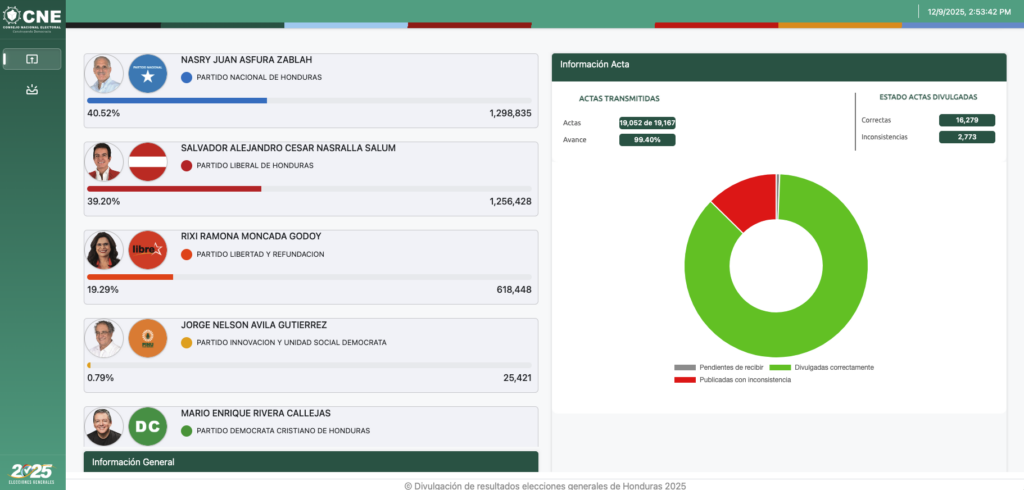
The election itself remains in limbo, declared a “technical tie” between Asfura and centrist Salvador Nasralla. But the impact of Trump’s actions is undeniable. A seasoned U.S. diplomat, intimately familiar with the region, commented that the endorsement demonstrably shifted undecided voters toward Asfura, potentially tipping the scales.
This isn’t an isolated incident. It’s a resurgence of a pattern stretching back centuries, rooted in the Monroe Doctrine and its subsequent interpretations. Theodore Roosevelt, in the early 20th century, asserted the right of the U.S. to act as an “international police power” in the Caribbean, a justification for repeated military incursions and interventions.
Initially, the approach shifted to “substituting dollars for bullets,” but even then, U.S. interests – often those of powerful corporations like the United Fruit Company – dictated policy. Honduras became synonymous with this influence, even inspiring the term “banana republic.” The U.S. exerted control, collecting debts and ensuring favorable conditions for American businesses.
Throughout the Cold War, Honduras served as a crucial strategic asset. It provided training grounds for covert operations, like the one that overthrew Guatemala’s president in 1954, and became a staging area for the Contra rebels fighting against the Sandinistas in Nicaragua – earning it the chilling nickname “an unsinkable aircraft carrier.”
Even today, Honduras hosts Joint Task Force Bravo, a key component of U.S. Southern Command, focused on counternarcotics and disaster relief. The country’s position as a drug trafficking hub and a major transit point for migrants makes it strategically vital to U.S. interests.
Complicating matters is the current Honduran government, led by President Xiomara Castro, whose leanings toward Venezuela and China have raised concerns in Washington. Castro has challenged established norms, meeting with controversial figures and questioning long-standing security arrangements.
Trump’s intervention appears to be a direct response to these shifts. His actions – the endorsement, the pardon, the threats – represent a new, more assertive approach, one that some are calling the “Donroe Doctrine.” It’s a unilateral strategy, focused on securing U.S. interests through direct pressure and influence.
But why does Honduras matter so much? The answer lies in a complex interplay of geopolitical strategy, economic interests, and a long history of intervention. Maintaining a friendly government in Tegucigalpa is seen as crucial for countering drug trafficking, managing migration flows, and pushing back against the growing influence of China.
For Hondurans, the U.S. relationship is a double-edged sword. While American aid is vital, the specter of intervention and the potential for destabilizing policies are deeply concerning. The country grapples with poverty, corruption, and violence, and the promise of economic development and security are paramount.
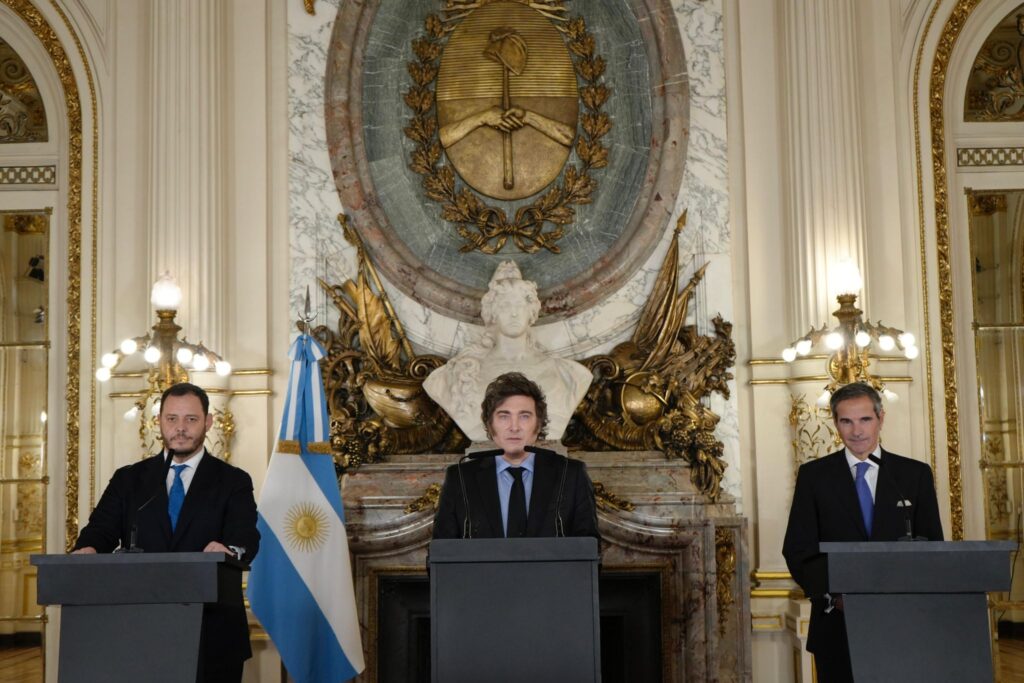
Trump’s actions in Honduras are not unique. His influence was also felt in Argentina, where a significant financial intervention bolstered a right-wing populist candidate. This pattern, coupled with a broader regional trend toward conservatism, suggests a deliberate strategy to reshape the political landscape of Latin America.
The tactics are evolving. From gunboat diplomacy and covert operations to social media posts and financial maneuvers, the methods of influence are becoming more diverse and more direct. Trump’s approach is a departure from traditional diplomacy, characterized by its boldness and its willingness to challenge established norms.
Whether this new “Donroe Doctrine” will succeed remains to be seen. It has already sparked criticism from both within the U.S. and across Latin America. But one thing is clear: the future of Honduras, and perhaps the region, is once again being shaped by the long shadow of American power.