A silence resonated within the halls of the United Nations on December 3rd, as Colombia announced its abstention from a critical statement. The resolution demanded Russia guarantee the “immediate, safe and unconditional return” of Ukrainian children reportedly deported or forcibly removed from their homeland.
Ninety-one nations voiced their support, a powerful chorus for the vulnerable. Yet, Colombia stood among 57 countries – a group including Brazil, El Salvador, and China – choosing to neither condemn nor condone the actions, a decision that would soon ignite controversy.
The abstention has thrust President Gustavo Petro’s administration into a firestorm of criticism. Opposition figures are demanding answers, questioning the rationale behind a stance that appears to contradict the President’s long-held principles.

The UN statement, championed by Ukraine with backing from Canada and the European Union, addressed a deeply disturbing reality: the displacement of thousands of Ukrainian children over years of conflict. These children were taken from their homes and transferred to Russian territory, their futures hanging in the balance.
The resolution didn’t simply call for return; it demanded an end to practices that fundamentally alter these children’s identities. It specifically targeted the cessation of family separation, forced citizenship changes, adoption, foster placements, and any form of indoctrination.
Within Colombia, the silence from the government is deafening. Opposition leaders are openly challenging Petro, pointing to his established reputation as a champion of human rights and a prominent voice on the international stage.
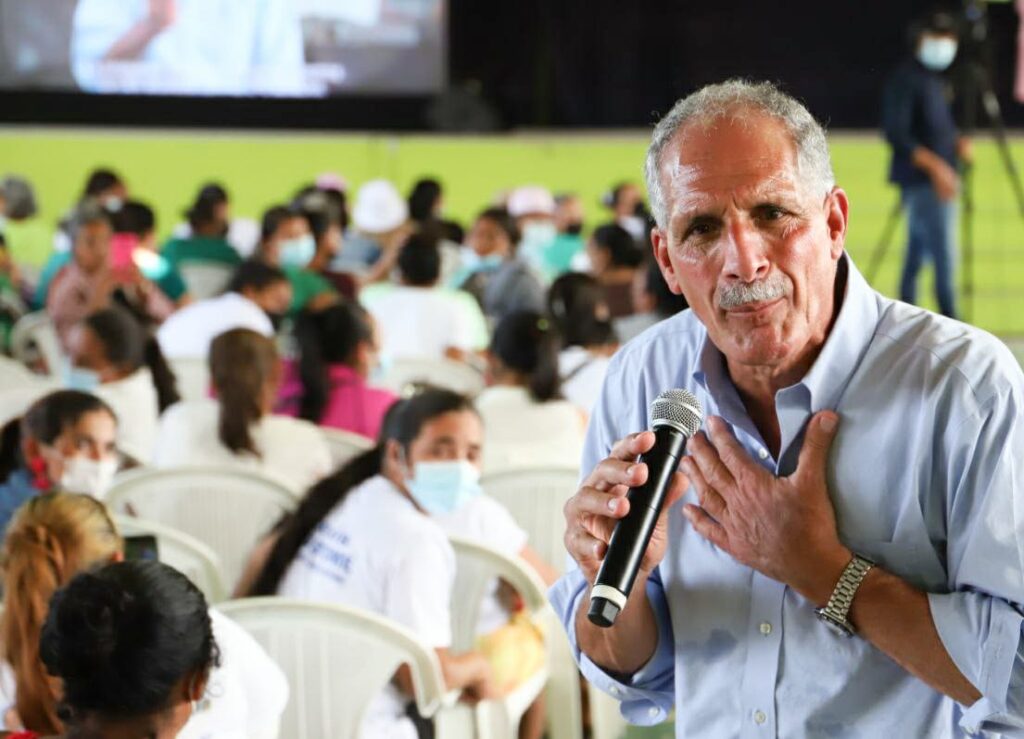
Andrés Forero, a representative from the Centro Democrático, the leading opposition party, publicly urged the President to explain the decision. He questioned why Colombia would refrain from supporting a motion to return children allegedly kidnapped by Russia.
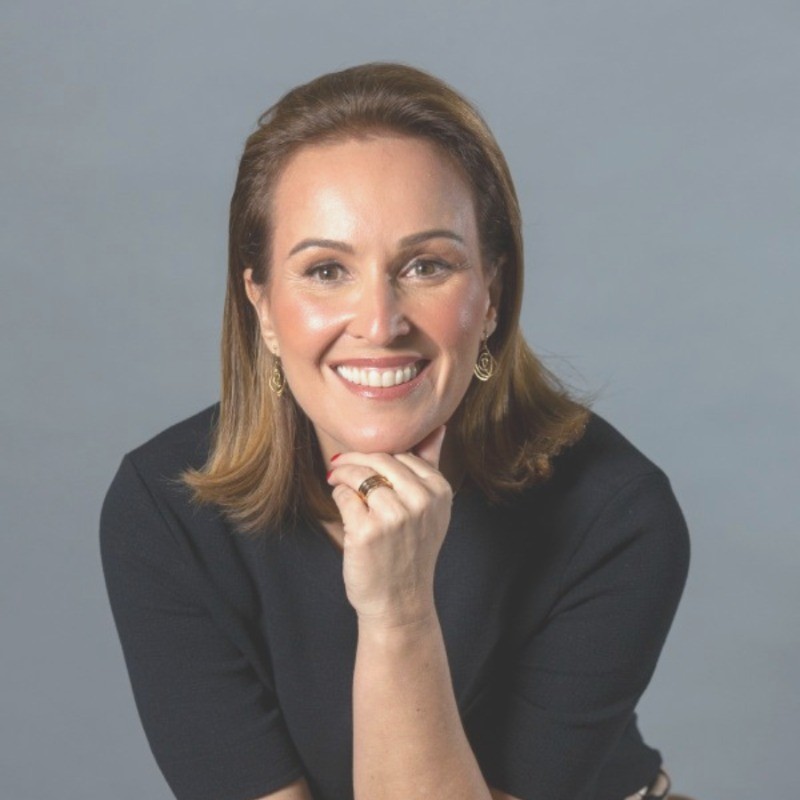
Senator Paloma Valencia echoed these concerns, adding her voice to the growing chorus demanding transparency. The lack of explanation from President Petro or the Ministry of Foreign Affairs only fuels the speculation and intensifies the scrutiny.
The abstention has drawn comparisons to Brazil’s position under the Lula government, which seeks a neutral stance in the conflict. However, critics argue that prioritizing mediation shouldn’t come at the expense of fundamental human rights.
Russia, predictably, has dismissed the UN statement as a distortion of reality. The Russian Ministry of Foreign Affairs launched a scathing attack, accusing the UN General Assembly President of employing “Goebbels propaganda.”
The implications of Colombia’s decision extend far beyond a single vote. It raises profound questions about the nation’s foreign policy priorities and its commitment to protecting the most vulnerable in times of war.