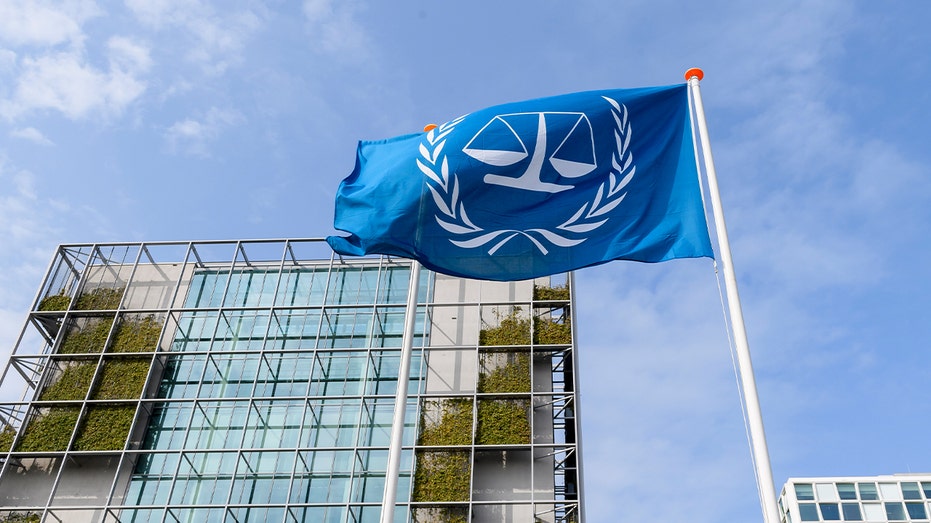
The International Criminal Court is teetering on the brink of a crisis, a storm of accusations threatening to dismantle its already fragile reputation. At the heart of the turmoil is Karim Khan, the Court’s chief prosecutor, facing deeply disturbing allegations of criminal misconduct – accusations that include repeated sexual assault. Khan vehemently denies the claims, yet his response has ignited a firestorm of controversy, pointing fingers directly at Israel.
For over eighteen months, the ICC has navigated a treacherous path, responding with a deliberate slowness to the allegations. Khan has been on paid leave since May, while a confidential U.N. investigation slowly unfolded. The fact-finding phase concluded recently, with a further thirty days allotted for “legal analysis” by unnamed experts – a process shrouded in secrecy and fueling speculation.
The accusations are harrowing. Khan is alleged to have sexually assaulted a junior ICC employee over a year-long period, even within the Court’s own walls, followed by alleged acts of retaliation against the victim and those who offered support. A second alleged victim, from a previous professional relationship, has also come forward, adding another layer of complexity to the unfolding scandal.
What makes this situation particularly fraught is the context of the ICC’s ongoing investigation into the Israeli-Palestinian conflict. Both Khan and his alleged victim reportedly share a controversial view, equating democratic Israel with Hamas, and utilizing the ICC to pursue criminal charges against Israeli officials. This shared perspective casts a long shadow over Khan’s claim that his accuser was influenced by Israeli intelligence, a suggestion met with widespread skepticism.
The damage extends beyond Khan himself; the ICC as an institution is undeniably stained. The timing of events is particularly unsettling. Just days after learning the allegations were circulating within the Court in May 2024, Khan abruptly canceled a planned trip to Israel – a trip that promised crucial information for his investigation. Instead, he publicly announced on CNN his intention to seek arrest warrants for Israeli Prime Minister Benjamin Netanyahu and Defense Minister Yoav Gallant.
Many believe Khan strategically framed Israel as a distraction, hoping to rally support and deflect attention from the mounting accusations against him. For a time, it appeared to work, but the underlying issues remain. The alleged victim herself revealed a chilling motivation for her silence: a fear of jeopardizing the pursuit of arrest warrants against Palestinians.
Israel has formally appealed to the ICC, demanding Khan’s disqualification and the voiding of the arrest warrants. However, the ICC’s own Office of Public Counsel for Victims surprisingly argued that Khan’s removal should not impact the warrants, a move widely interpreted as an attempt to distance the Court from the scandal while preserving its controversial actions against Israel.
The ICC now faces an impossible dilemma. The prosecutor, overseeing an investigation targeting Israel, is simultaneously using Israel as a shield against deeply damaging personal allegations. Can anyone genuinely believe that these accusations and his responses haven’t irrevocably tainted the investigation and the subsequent arrest warrant decisions?
The roots of this crisis run deeper than the current scandal. The ICC was established in 1998 amidst fierce opposition from the United States, Israel, and others, who feared its potential to overstep national sovereignty. The core concern was the Court’s ability to assert criminal jurisdiction over individuals from nations that hadn’t consented to its authority – a fundamental challenge to established principles of international law.
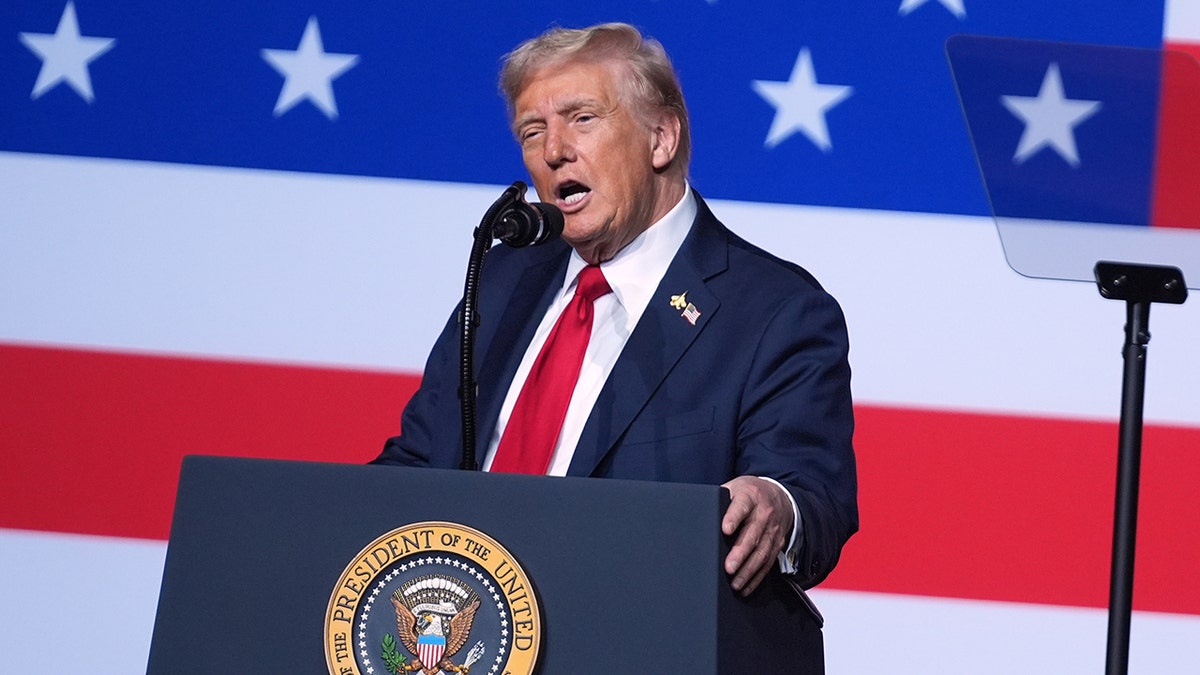
Those fears have proven justified. The ICC’s expansive reach has led to political targeting and unintended consequences, prompting the Trump administration to authorize sanctions against individuals involved in ICC efforts to target Americans and allies. While these sanctions have been applied sparingly, they signal a clear message of defiance.
Now, the United States is reportedly pushing for amendments to the Rome Statute, seeking to limit the ICC’s authority. However, the political realities make such an amendment highly improbable. The fate of the ICC, and its future credibility, ultimately rests on a critical question: What action is the United States prepared to take?