A chilling numbness descended upon Jewish communities worldwide after the events of October 7th, a weight of disbelief and sorrow that seemed to leach the color from everything. It was a profound isolation, a grief that settled deep within the chest, refusing to be dislodged. The possibility of joy felt distant, almost unimaginable.
That hollowness has returned, now echoing with the sounds of gunfire on Bondi Beach. A father and son, driven by hate, shattered the peace of an Australian icon – a place synonymous with sunshine, surf, and carefree living. Fifteen lives were stolen, and countless others irrevocably altered.
Among the victims were a ten-year-old child, an eighty-seven-year-old Holocaust survivor, a beloved rabbi, a little girl whose smile could light up a room, and a recent Russian immigrant who had found his Jewish identity in Sydney. Each loss is a devastating blow, a fresh wound in a community already reeling.
For generations, Australia felt different, a sanctuary buffered by vast oceans from the hatreds of the old world. Australian Jews grew up with a fragile belief that antisemitism, while present elsewhere, could never truly take root here. That illusion has been systematically dismantled.
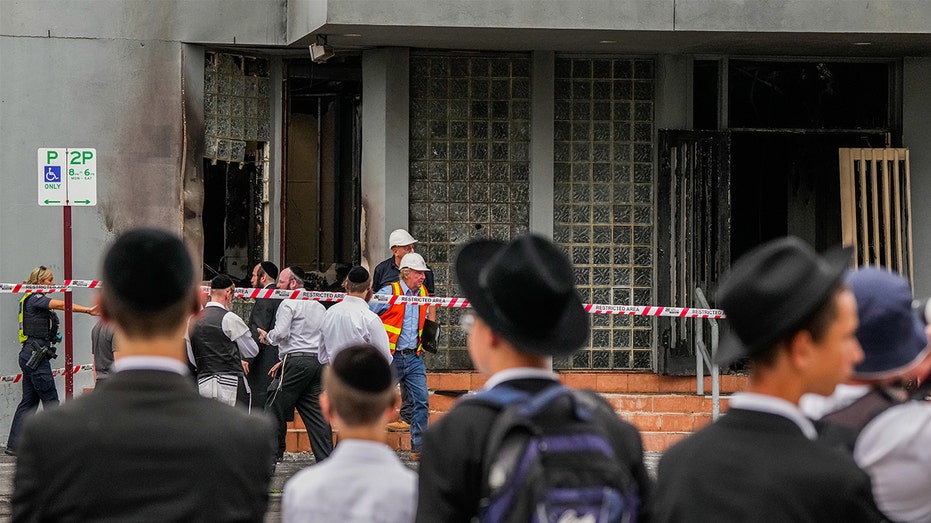
Over the past two years, a disturbing pattern has emerged: protests demonizing Jews under the guise of anti-Zionism, attacks on synagogues and Jewish-owned businesses, the doxxing of Jewish individuals, and the relentless harassment of Jewish students on university campuses. Antisemitic incidents surged, climbing to nearly five times the pre-October 7th average.
Community leaders issued warnings, pleading for action, but their concerns were often dismissed as moral panic or a cynical attempt to stifle debate. Some even accused Jews of “weaponizing” antisemitism to silence criticism of Israel, a dangerous and deeply hurtful claim.
While acknowledging the problem with statements and appointing an envoy, political leaders failed to prioritize concrete action. Recommendations for combating antisemitism were made months ago, yet remain unanswered, unimplemented. The warnings went unheeded, lost in a sea of political inaction.
Now, the unthinkable has happened. The safe haven has been breached. The history we remembered is now being relived. This tragedy confirms the community’s deepest fears, a horrifying validation of their anxieties.
This vulnerability and anger are not confined to the Jewish community. Non-Jewish Australians who cherish their country are also awakening to the danger, recognizing the insidious creep of hatred and the potential for a darker future.
The Jewish community has often been described as the “canaries in the coal mine,” a warning signal of dangers that will ultimately threaten all of society. The attack at Bondi Beach may not be an isolated incident, but a harbinger of a more perilous time to come.
Perhaps, finally, the Australian government will understand the gravity of the situation and commit to a genuine fight against antisemitism – and all forms of hatred and conspiracy that thrive alongside it. The time for complacency is over; the future demands decisive action.