Two centuries before the birth of Christ, a flicker of defiance ignited in Judea. Judah Maccabee, a leader forged in courage, rallied his people against the formidable Greek-Syrian forces. Their goal: to reclaim Jerusalem and restore the sanctity of the Second Temple, a bold challenge to the mighty Seleucid Empire.
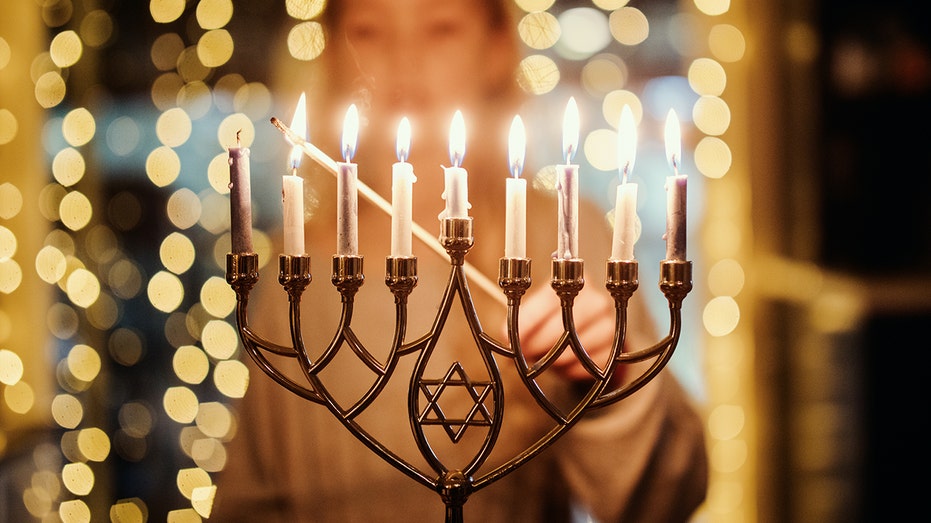
The victory that followed wasn’t just about military triumph; it was about a beacon of hope in the darkness. When the Maccabees rededicated the Temple, they discovered a chilling reality – only enough consecrated oil to light the menorah for a single day. Yet, a miracle unfolded.
That single flask of oil burned for eight nights, a testament to faith and divine intervention. This wasn’t merely a provision of light, but a symbol of resilience, a declaration that even the smallest spark of hope could overcome overwhelming odds. It’s a story that resonated deeply within me as a child, making Hanukkah a uniquely cherished time.
Growing up, I was surprised to learn Hanukkah doesn’t hold the same weight as other Jewish holidays like Yom Kippur, Rosh Hashanah, Passover, or Shavuot. These days are steeped in solemn reflection, prayer for blessings, remembrance of liberation, and the receiving of divine law. But Hanukkah’s power wasn’t in religious observance alone; it was in the miracle itself.
The miracle of the oil embodies a timeless struggle: light against darkness, courage against despair, perseverance against surrender. Even today, pilgrims from across the globe gather at the Western Wall, the last remnant of that ancient Temple, whispering prayers and hopes into the cracks of the stones, believing in the possibility of answered pleas.
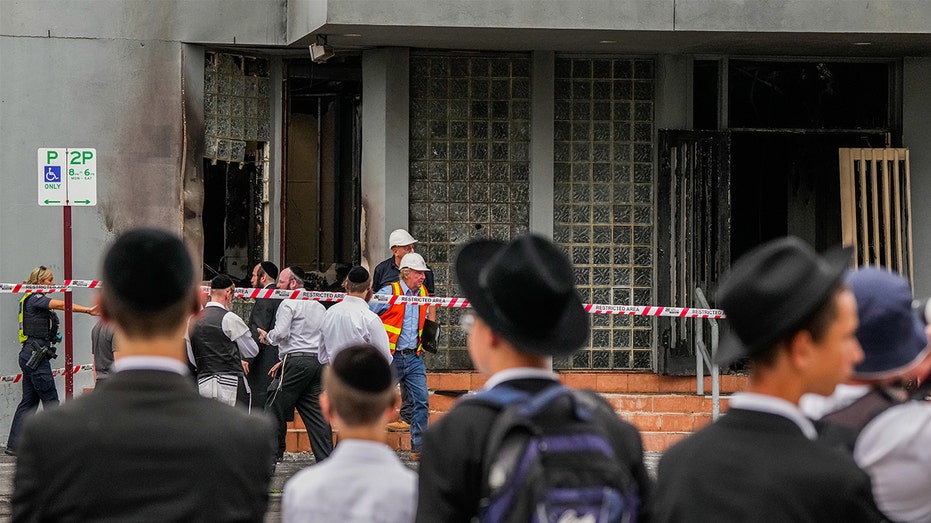
Recently, that plea feels particularly urgent. The horrific attack on Hanukkah at Bondi Beach in Australia, claiming at least fifteen lives, is a chilling echo of the hatred that has plagued our people for centuries. It’s a stark reminder that the fight for light is far from over.
This act of terror must serve as a warning, a desperate call to confront the rising tide of antisemitism – a malignant cancer spreading across the world. We must summon the same strength and resolve demonstrated by the Maccabees, pushing back against the encroaching darkness.
We must strive to be worthy of miracles, to demonstrate the courage and conviction that inspire divine intervention. It’s a call to action, a demand for a world bathed in light, fueled by hope, and free from the shadows of hatred.
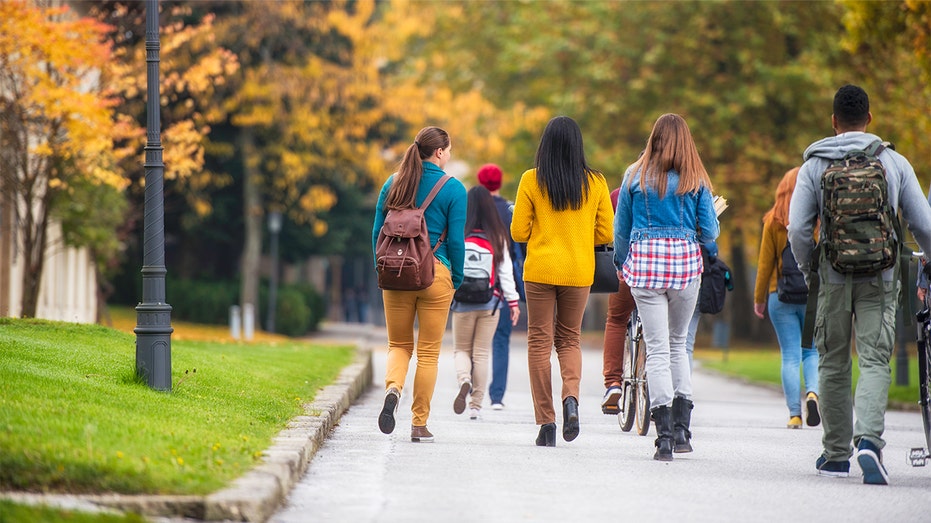
My connection to this struggle extends beyond faith and heritage. As a proud graduate of Brown University, following in the footsteps of my father and brother, the recent shootings on campus cut deeply. Brown, a haven of intellectual curiosity and community spirit, was shattered by violence.
The idyllic campus, intentionally set apart, felt violated. The close-knit community, known for its warmth and goodwill, was plunged into grief. Now, Brown, like the world, needs healing.
We must stand together, united in prayer, and implore a miracle of restoration. May the forces of darkness be quelled, may light prevail, and may the wounds of our hearts and communities be healed.