A simmering dispute over decades-old oil investments has erupted into a new confrontation, as President Trump demanded Venezuela return assets seized from American energy companies. He justified the move with a stark announcement: a “blockade” against oil tankers traveling to or from the South American nation, targeting those already under U.S. sanctions.
The President’s words revealed a deeper layer to the escalating pressure campaign against Nicolás Maduro’s regime. He spoke of “stolen” oil rights and a past where American companies were effectively driven out, hinting that recovering these assets is a key motivator alongside accusations of drug trafficking.
The roots of this conflict stretch back decades. U.S. oil companies once dominated Venezuela’s petroleum industry, but a wave of nationalization began in the 1970s, accelerating under Hugo Chávez and continuing with Maduro. Compensation offered was deemed inadequate, leading to a 2014 international arbitration ruling ordering Venezuela to pay ExxonMobil $1.6 billion – a debt that remains unpaid.
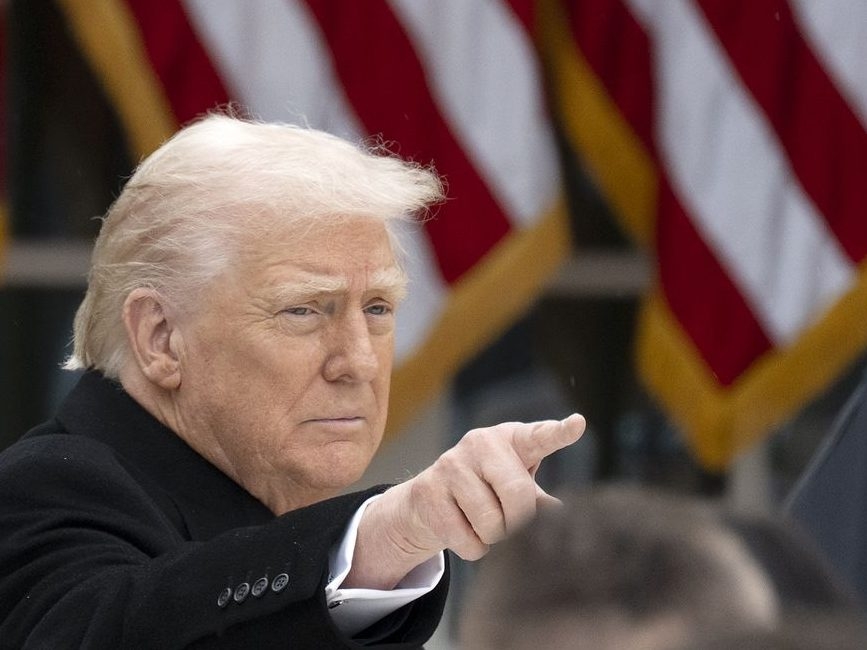
Beyond the financial claims, the Trump administration has increasingly focused on Venezuela’s alleged role in the drug trade, accusing Maduro’s government of facilitating the flow of narcotics into the United States. This accusation fueled a recent social media post where the President directly linked Venezuelan oil revenue to criminal activity.
The situation intensified last week with the seizure of an oil tanker off Venezuela’s coast, accompanied by a significant military buildup including the deployment of a Navy aircraft carrier. Simultaneously, U.S. forces have conducted a series of strikes against suspected drug boats in the Caribbean, resulting in the deaths of at least 99 people – actions that have sparked legal and ethical debate.
A key advisor, Stephen Miller, framed Venezuela’s nationalization of its oil industry as a blatant theft, asserting that American ingenuity built the industry and its expropriation represented the “largest recorded theft of American wealth.” He further alleged that the stolen assets were used to fund terrorism and fuel criminal activity within the U.S.
Economists confirm the substantial financial claim. One expert noted that Venezuela still owes ExxonMobil a significant sum from the 2014 arbitration ruling, a debt that has largely gone unaddressed. Trump himself expressed frustration that previous administrations hadn’t taken a firmer stance on the issue.
Despite the aggressive rhetoric, some American companies continue to operate in Venezuela. Chevron, for example, maintains a waiver allowing oil production, and reports indicate they have been steadily reducing their debt to Venezuela through resumed exports since 2022.
A recent statement from the President regarding the designation of Venezuela as a foreign terrorist organization was later clarified by officials as a rhetorical device. The announced “blockade” applies only to vessels already sanctioned, consistent with existing enforcement measures, including the recent tanker seizure.
Venezuela has vehemently condemned the U.S. actions, labeling them as “piracy” and appealing to the United Nations for intervention. They are demanding the immediate release of the seized tanker’s crew and the return of the confiscated oil, characterizing the U.S. actions as an attempt to claim ownership of the world’s largest oil reserves.
The UN Secretary-General has urged all parties to respect international law and de-escalate tensions. Despite the escalating rhetoric, some analysts suggest the current U.S. strategy – seizing sanctioned tankers and imposing a blockade – is a less risky approach than direct military intervention.
Ultimately, the stated goal remains a peaceful transition of power in Venezuela. As one expert noted, a voluntary step-down by Maduro and a commitment to free and fair elections would be welcomed by both Democrats and Republicans alike, potentially resolving the crisis without further escalation.