A sea of vibrant bouquets, a silent testament to a life stolen too soon, filled the funeral hall in Sydney. Hundreds gathered, their faces etched with grief, to mourn Matilda, a ten-year-old girl whose laughter was silenced by an act of senseless hatred during a Hanukkah celebration.
Just days before the tragedy, Matilda, nicknamed “Matilda Bee” by her family, had proudly accepted a national literacy prize. She was a “ray of sunshine,” her teachers remembered, a child whose joy was infectious. On Sunday, she was simply enjoying a petting zoo at Bondi Beach when the unimaginable happened – a brutal massacre that claimed her life and the lives of fourteen others.
The attack, authorities confirmed, was fueled by antisemitism and inspired by the Islamic State group. It has shaken Australia to its core, forcing a painful national reckoning with the rising tide of hate and a questioning of whether warnings were heeded.

Matilda’s parents, who fled the war-torn landscapes of Ukraine seeking a safe haven, had brought their daughter to a family event, a simple outing meant to create cherished memories. “They did what any parent would do,” Rabbi Dovid Slavin lamented, “and now… this is a collective responsibility for every adult in this country.”
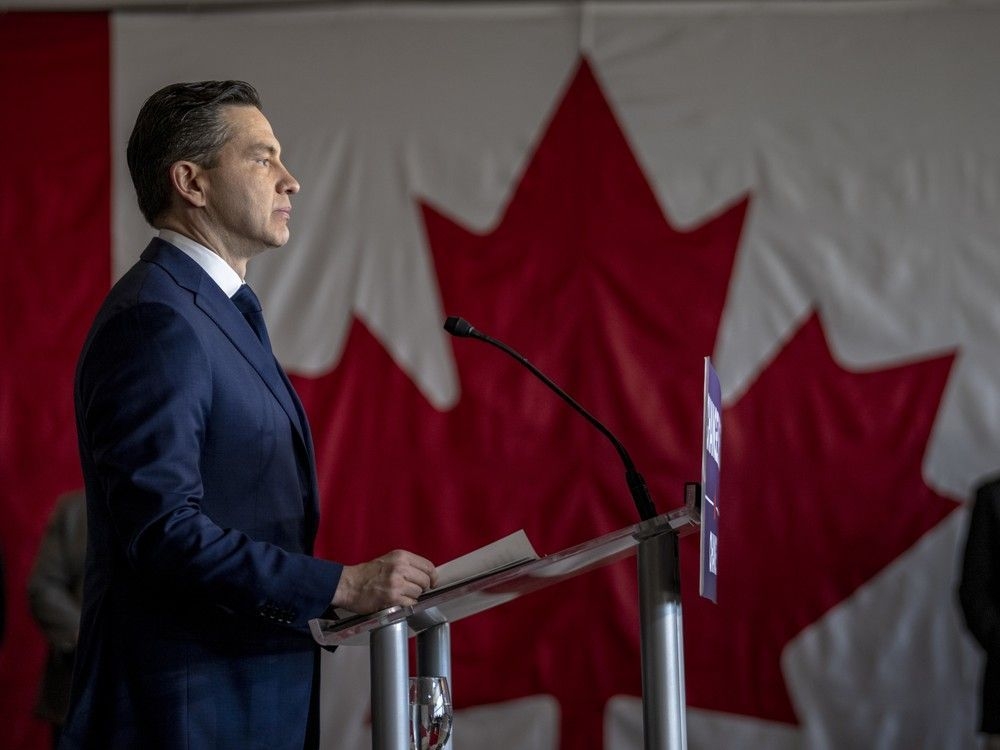
In the nation’s capital, as Matilda’s funeral began, Prime Minister Anthony Albanese announced sweeping legislative plans aimed at curbing radicalization and hate speech. The proposals include broadening the definition of hate offenses, increasing penalties, and granting authorities greater power to deny visas to those who promote division.
“There have been organizations which any Australian would look at and say their behaviour… has no place in Australia,” stated Home Affairs Minister Tony Burke, acknowledging a long-standing frustration with the legal limitations that have hindered action against extremist groups. The Prime Minister also pledged to further tighten Australia’s already stringent gun control laws.
Yet, a shadow of discontent hangs over the government’s response. Reports suggest the Prime Minister was not invited to attend any of the victims’ funerals, a pointed snub reflecting the deep anger felt by some within the Jewish community. Albanese has acknowledged that more could have been done, accepting responsibility for past shortcomings.
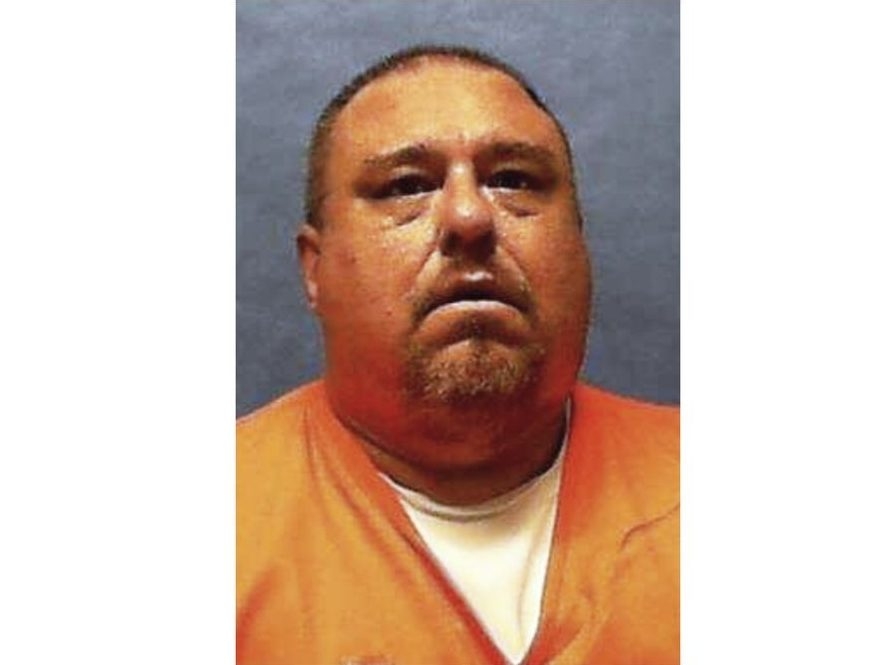
Investigators are meticulously piecing together the events leading up to the attack, scrutinizing the suspected gunmen’s connections in Australia and their recent travel to the Philippines. Naveed Akram, 24, the younger suspect, had been under surveillance by Australian security services years prior. His father, Sajid Akram, 50, legally obtained the firearms used in the massacre before being fatally shot by police.
Philippine authorities have confirmed the suspects spent a month in Davao City, but found no evidence of any formal training. Naveed Akram is currently hospitalized and faces 59 charges, including murder and terrorism, though he has yet to enter a plea.
Across Sydney, hospitals continue to treat sixteen individuals injured in the attack, two of whom remain in critical condition. As the investigations continue, the Jewish community is grappling with an unbearable wave of grief, attending funeral after funeral.
Alongside Matilda’s service, mourners gathered to honor Alex Kleytman, an 87-year-old Holocaust survivor who died shielding his wife. Others lost included rabbis, a man who bravely confronted the gunmen with bricks, and a couple who attempted to disarm one of the attackers.
Bumblebee balloons, a poignant reminder of Matilda’s nickname, bobbed in the breeze outside the funeral hall. Mourners were given stickers featuring a smiling cartoon bumblebee holding a menorah, Matilda’s name printed in her favorite color, purple. A simple, heartbreaking tribute to a life extinguished far too soon.
“I don’t want to sound selfish,” Rabbi Slavin confessed, his voice thick with emotion, “But I and many others are thinking, this could have been my child.” The weight of that thought, the chilling realization of shared vulnerability, hung heavy in the air.