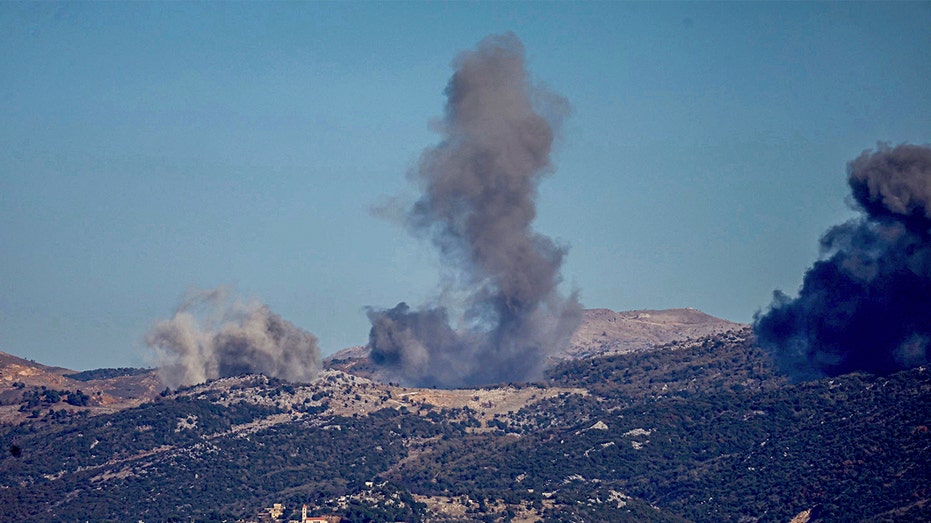
A tense silence hung over the Israel-Lebanon border as the final hours of December ticked away. Israel launched a series of airstrikes into southern and northeastern Lebanon, a clear signal delivered just before a critical deadline for Hezbollah’s potential disarmament.
The strikes weren’t random; they targeted the very infrastructure that fueled the organization’s power. Military compounds used for training, weapons storage facilities, and launching sites were all hit, meticulously chosen by the Israeli military to dismantle Hezbollah’s operational capabilities.
This escalation occurred on the eve of a crucial meeting. Representatives from the U.S., France, and the United Nations – the committee overseeing the ceasefire that had tentatively ended the previous year’s conflict – were preparing to convene. The timing was deliberate, a demonstration of force coinciding with diplomatic efforts.
Simultaneously, a separate gathering was planned in Paris. U.S., Saudi, and French officials intended to discuss bolstering the Lebanese army’s presence along the volatile border. The goal: to provide Lebanon with the means to control the region and prevent future conflict.
However, the Paris meeting held a secondary, equally important objective: to restrain Israel from further escalation. European and Lebanese diplomats expressed concern that political divisions within Lebanon could hinder progress, potentially delaying President Aoun’s efforts to disarm Hezbollah as the country looked toward legislative elections.
The Lebanese government had publicly stated its expectation that the army would clear Hezbollah’s armed presence south of the Litani River by year’s end. But whispers circulated that internal politics might undermine this commitment, creating a dangerous stalemate.
Nabih Berri, Speaker of the Lebanese Parliament, didn’t mince words. He characterized the Israeli airstrikes as a direct “message to the Paris meeting,” a forceful reminder of Israel’s resolve and a warning against inaction. The strikes, he stated, were timed to coincide with the diplomatic discussions.
Just a day before the strikes, Israel announced the killing of a Hezbollah operative in southern Lebanon. The individual, according to the Israeli Defense Forces, was actively gathering intelligence on Israeli military activity and working to rebuild Hezbollah’s infrastructure.
The situation remains incredibly fragile. The combination of military action, high-stakes diplomacy, and internal Lebanese political complexities creates a volatile environment where a single miscalculation could reignite a wider conflict.