A chilling silence hangs over Brown University. During the intense pressure of finals week, a masked gunman infiltrated a study hall and unleashed a terrifying attack, yet remarkably, no surveillance cameras captured the act itself. The hunt for the perpetrator is now a desperate race against time, forcing a harsh spotlight onto the university’s security protocols and recent financial decisions.
Brown University was already grappling with a significant $29 million budget deficit when, in September, administrators announced sweeping cuts. Forty-eight employees received layoff notices, and 55 previously approved faculty positions were eliminated. These weren’t simply numbers on a spreadsheet; they were lives disrupted, and a potential weakening of the university’s infrastructure.
Alongside personnel reductions, “modest, temporary reductions” were implemented in information technology and facilities renewal. The question now looms large: did these cuts inadvertently compromise campus security? University officials have been hesitant to directly address the impact of these changes, leaving a void filled with speculation and anxiety.
Investigators are meticulously exploring all possibilities, leaning towards the likelihood that the shooter had a connection to the university – perhaps a former student or employee harboring a deep-seated grievance. However, without a confirmed identity, pinpointing a motive remains elusive. The focus is shifting to understanding access points and emotional hotspots within the campus environment.
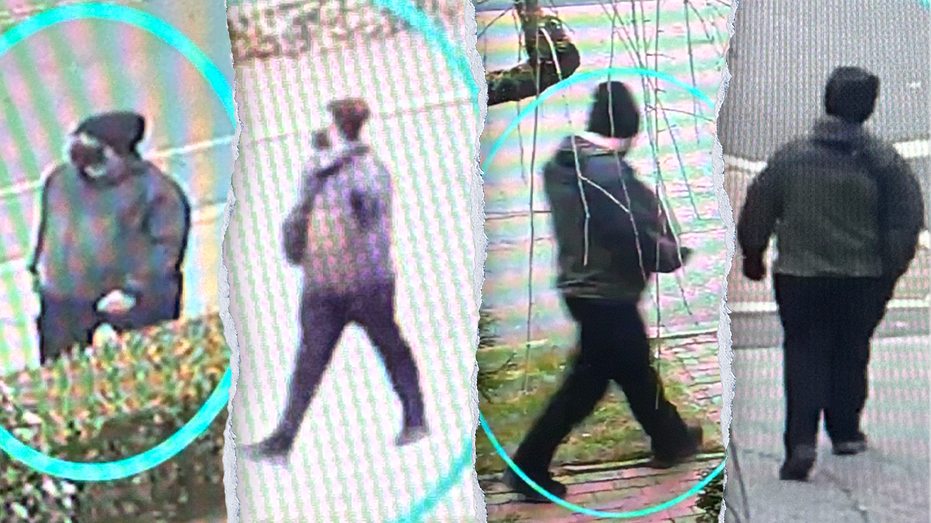
The police investigation is a complex puzzle, piecing together fragments of evidence. Authorities have released surveillance footage of a person of interest observed in the vicinity of the Barus and Holley Building for hours before and after the shooting, desperately seeking public assistance in identification. This individual may hold the key to unlocking the mystery.
Despite boasting over 1,200 cameras across more than 250 buildings, Brown University has admitted a critical gap in coverage within the Barus and Holley Building itself. Administrators cite security concerns as the reason for not disclosing specific camera locations, but the lack of interior footage during the shooting is deeply troubling.
The university’s security system has evolved significantly since 2000, when only 60 cameras recorded onto VHS tapes. Yet, the current system seemingly failed at the most crucial moment. The absence of vital visual evidence has intensified scrutiny and raised serious questions about the effectiveness of the university’s security investments.
Body language experts are analyzing the available surveillance footage, searching for clues within the person of interest’s movements. One striking detail is an unusual gait – a pronounced inward bow of the right leg and an outward pointing toe. This subtle characteristic, combined with the mask and limited visibility, is aiding in the effort to build a profile.
Experts suggest the individual’s posture and mannerisms hint at an age beyond the typical undergraduate student, potentially placing them in their mid-thirties. This observation, while not definitive, adds another layer to the investigation and narrows the potential pool of suspects.
The shooting left a devastating toll: two students, Ella Cook of Alabama and Mukhammad Aziz Umurzokov of Virginia, tragically lost their lives. Nine others were injured, with varying degrees of severity. While some survivors have been released from the hospital, others remain in critical, yet stable, condition, a stark reminder of the violence that unfolded.
The investigation continues, driven by relentless police work, the painstaking analysis of digital evidence, and the hope that a single, crucial piece of information from the public will ultimately confirm what investigators already suspect. The community is left reeling, searching for answers and grappling with the profound loss and trauma.