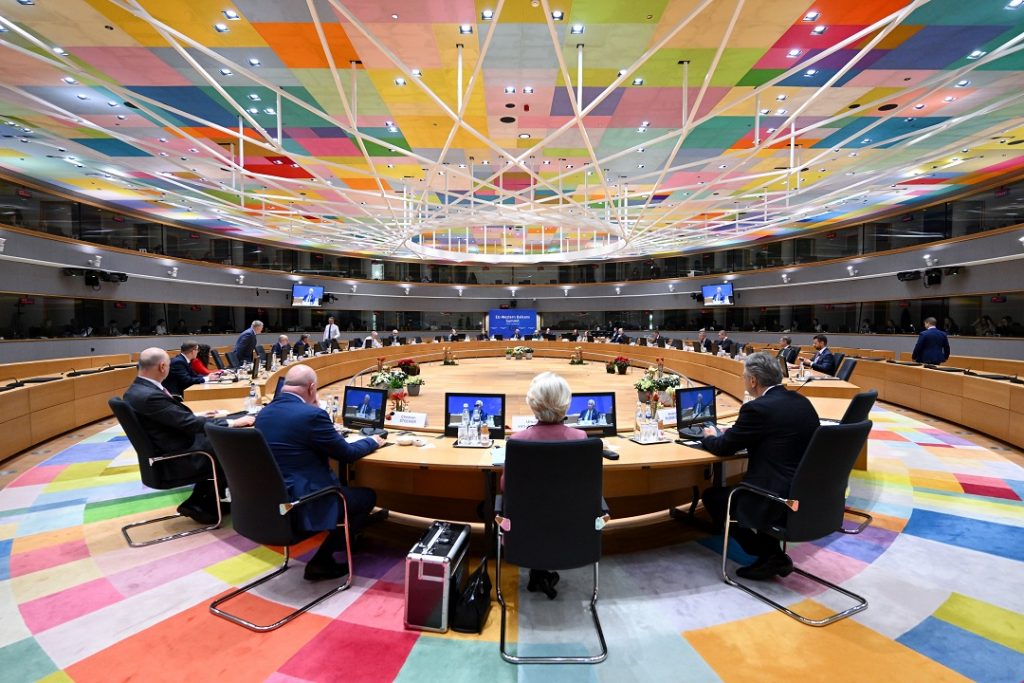
A stark reality descended upon Brussels as European leaders convened with counterparts from the Western Balkans. The shadow of conflict in Ukraine and escalating global instability fueled a renewed urgency – a recognition that stronger bonds were not merely desirable, but essential.
The resulting “Brussels Declaration” wasn’t simply a reaffirmation of past promises, but a forceful statement of intent. Leaders acknowledged the profound benefits of their existing relationship, framing it as a strategic partnership vital to the well-being of their citizens.
At the heart of the declaration lay an unwavering commitment: the Western Balkans’ future resides within the European Union. This wasn’t presented as a distant possibility, but as an opportunity to be actively seized, a geostrategic investment in lasting peace and prosperity.
Progress, though welcomed, wasn’t accepted as sufficient. The declaration demanded accelerated reforms from aspiring member states, emphasizing a merit-based approach grounded in credible action and rigorous standards. The EU, in turn, pledged to strengthen its own internal structures to accommodate future expansion.
Beyond the mechanics of accession, the declaration stressed the critical importance of regional cooperation. True progress, it asserted, hinges on reconciliation, good-neighborly relations, and the genuine implementation of existing agreements – including sensitive accords like the Prespa Agreement and the Treaty with Bulgaria.
The past casts a long shadow, and the declaration didn’t shy away from addressing lingering disputes. It called for definitive, inclusive solutions to regional and bilateral issues, firmly rooted in international law and a commitment to resolving the legacies of past conflicts, including the search for missing persons and accountability for war crimes.
Upholding European values wasn’t framed as a prerequisite, but as a fundamental expectation. The declaration underscored the importance of democracy, fundamental rights, and the rule of law, demanding demonstrable commitment through concrete reforms.
Specifically, the document highlighted the vital role of a free press, independent media, gender equality, and a vibrant civil society in fostering a functioning democracy. It also emphasized the need to protect the rights of minorities and ensure their equal treatment under the law.
The meeting, held on December 17, 2025, wasn’t merely a symbolic gesture. It represented a pivotal moment – a clear signal that the EU views the Western Balkans not as a periphery, but as an integral part of Europe’s future, particularly in a world grappling with unprecedented challenges.


