
Imagine a world without language barriers. This fall, Apple took a significant step towards that reality, dramatically enhancing its Live Translation feature with support for AirPods. Suddenly, a science fiction dream – instant, real-time translation directly in your ear – became a tangible possibility.
The concept is remarkably simple, yet profoundly impactful. Compatible AirPods, paired with a current iPhone, listen to a conversation in a foreign language, like Spanish, and instantly deliver the English equivalent directly to your ear. You respond in English, and your iPhone translates it back. It’s a beguiling idea, promising seamless communication across cultures.
However, this isn’t entirely new territory. Google Translate, coupled with earbuds like the Pixel Buds, offered similar functionality years ago. The initial attempts weren’t perfect, often stumbling over nuance and speed. Apple’s approach isn’t about invention, but refinement – a relentless pursuit of doing something already attempted, only *better*.

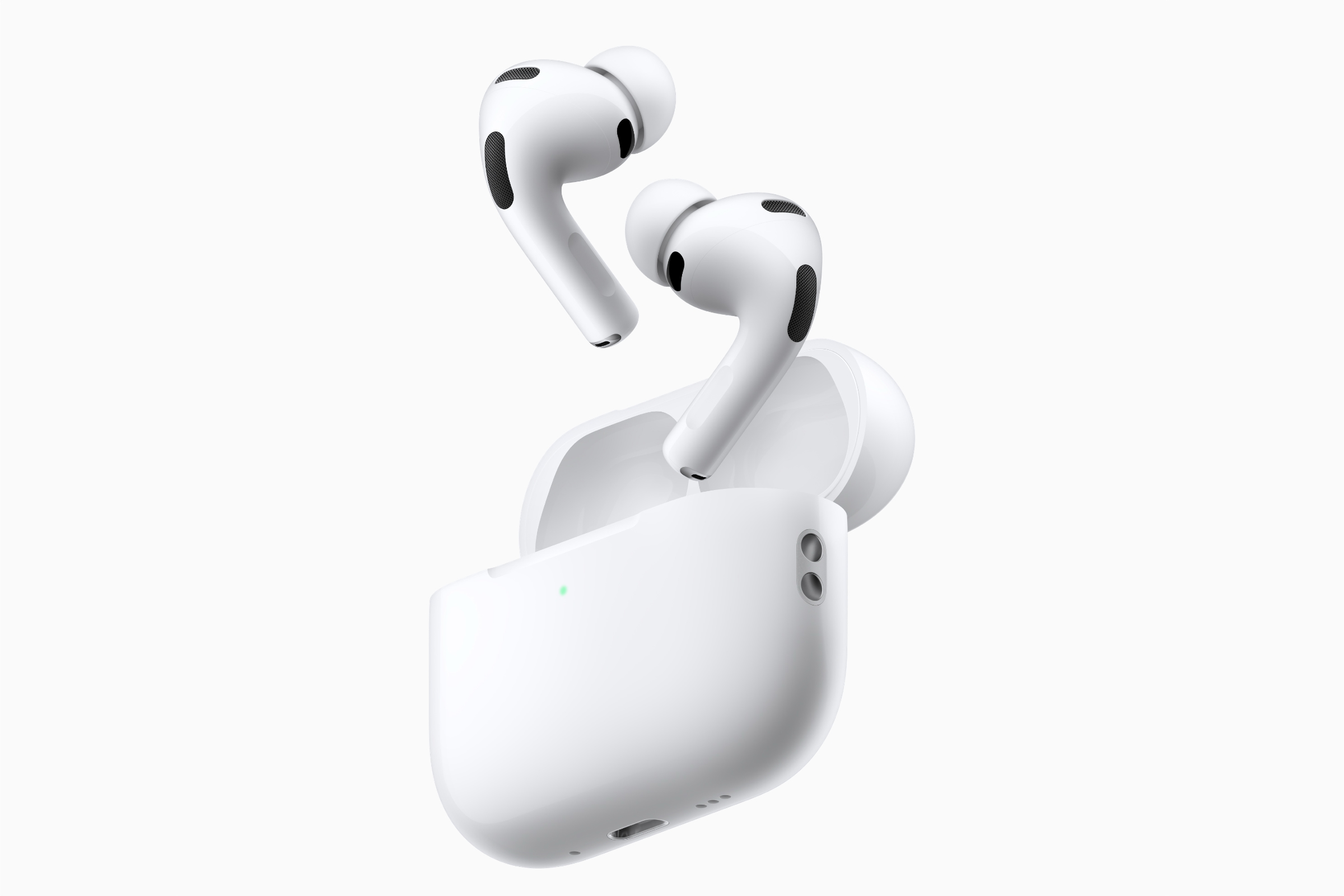
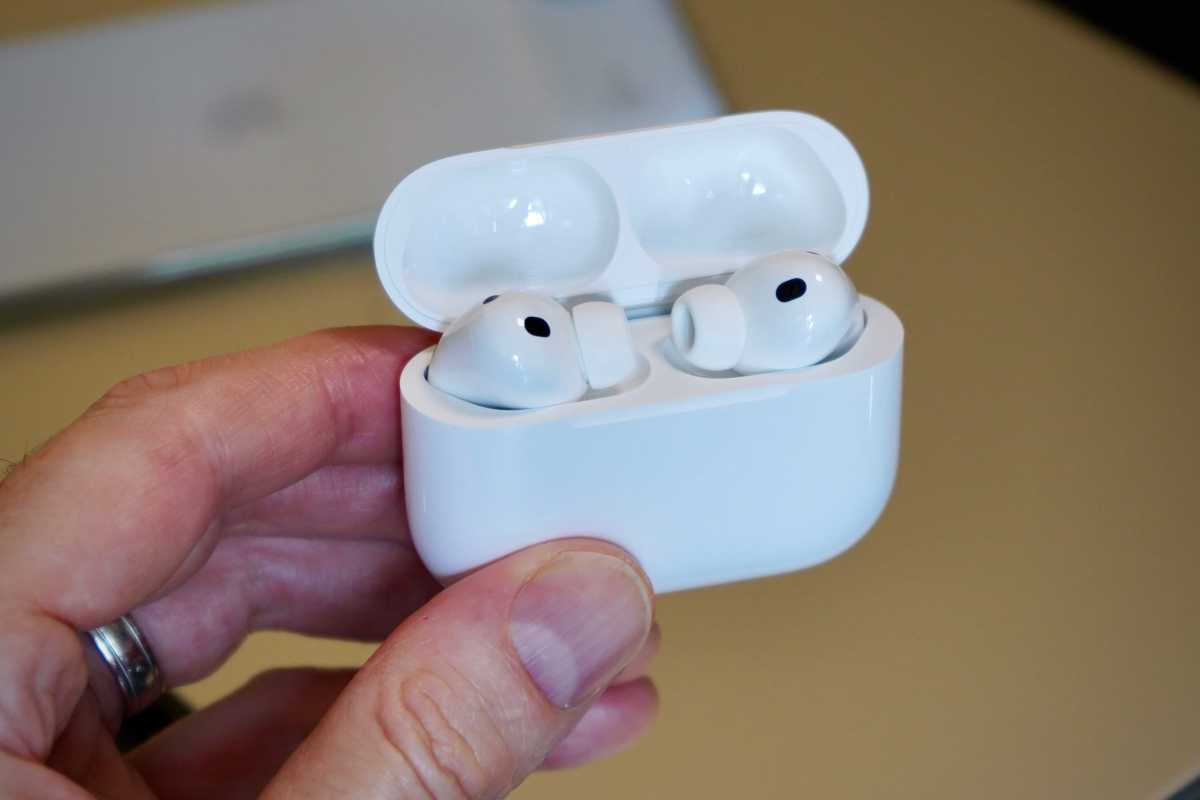
With Live Translation now available across the EU with iOS 26.2, the opportunity to test its capabilities arrived. A video call was arranged with a German-speaking colleague, and the AirPods Pro 3 were put to the ultimate test. The initial impression? Surprisingly positive.
The setup process is straightforward, though requires foresight. Before diving into a conversation, you must download the desired language packs. This takes a few minutes, so planning ahead is crucial – especially if you don’t want to fumble with settings while attempting to communicate with someone important.
Within the iPhone’s Settings app, navigate to the AirPods menu and then to the Translation (Beta) section. A list of available languages appears, allowing you to download those you anticipate needing. Once downloaded, activating translation is a simple simultaneous press of both earbud stems.

While the feature works well in person, challenges emerged during the video call. The AirPods seemed determined to connect to whichever device was currently active – jumping between the iPhone, Mac, and iPad. Maintaining a stable connection to the iPhone, the translation hub, required constant attention to Bluetooth settings.
Apple has integrated Live Translation directly into FaceTime and Phone apps, with APIs available for third-party platforms like Zoom and Teams. This should minimize device juggling, but the initial experience highlighted a slight lack of intuitive integration. Recreating a real-world street conversation felt best with the phone as the central hub.
Finally, with everything configured, the conversation began. It proved more demanding than anticipated. Four scenarios – a hotel, restaurant, plane, and bar – were prepared, with a bonus round dedicated to spontaneous political discussion. However, the conversations unfolded slower than expected, ultimately forcing the cancellation of the restaurant and politics segments.
The primary culprit? Delays. The AirPods often waited until the end of a sentence before delivering the translation. While written language favors brevity, spoken conversation is often layered with clauses and complexities, resulting in noticeable pauses.
Testing with both German and Spanish revealed a consistent limitation: true real-time translation remains elusive. Fluency isn’t yet achievable, but the functionality is undeniably powerful.
Despite the delays, the accuracy of Live Translation, at least from German to English, was astonishing. The colleague seamlessly played roles as a hotelier, flight steward, and bartender, detailing rooms, breakfast arrangements, flight information, and even cocktail ingredients. The overall meaning, and most specifics, were consistently clear.

Occasional imperfections surfaced. A German term for a boarding pass was misinterpreted as a simple “card,” and a cocktail name was slightly mangled. However, these minor errors never seriously hindered understanding.
The ideal scenario involves both parties wearing compatible AirPods, creating a truly bidirectional translation experience. While feasible for planned meetings, it’s unlikely in typical tourist situations. The test focused on the asymmetric approach – one person speaking, the other translating.
After receiving the translated text on the iPhone screen, simply showing it to the other party proved effective. A small delay existed during translation, but the accuracy remained high. A play button allows the translation to be read aloud, adding another layer of convenience, albeit with another slight delay.
The colleague occasionally began responding before the translated response was fully delivered, a natural reaction when the other person understands some English. However, this highlights a key point: if basic comprehension exists, the AirPods may be unnecessary.
Throughout the tests, the translation remained remarkably reliable. Reservations were made, sea views requested (and denied, playfully, due to Munich’s landlocked location), drinks ordered, and social situations navigated – all without significant communication breakdowns.
In conclusion, Live Translation exceeded expectations, despite its imperfections. The translations are segmented, sometimes arbitrarily, and the chat history disappears when the headphones are removed – a potential inconvenience for documentation. The delays are noticeable, and the process can be draining.
However, the software’s ability to translate with such accuracy and comprehensibility, in near real-time, is truly impressive. While a fluent conversation isn’t yet possible, a functional one is. And that, ultimately, is a significant win.


