A deeply divisive bill restricting gender-affirming care for minors passed the House, revealing surprising fractures within both parties. The vote wasn't a simple partisan affair; several Democrats joined Republicans in support, while a handful of Republicans sided with Democrats in opposition.
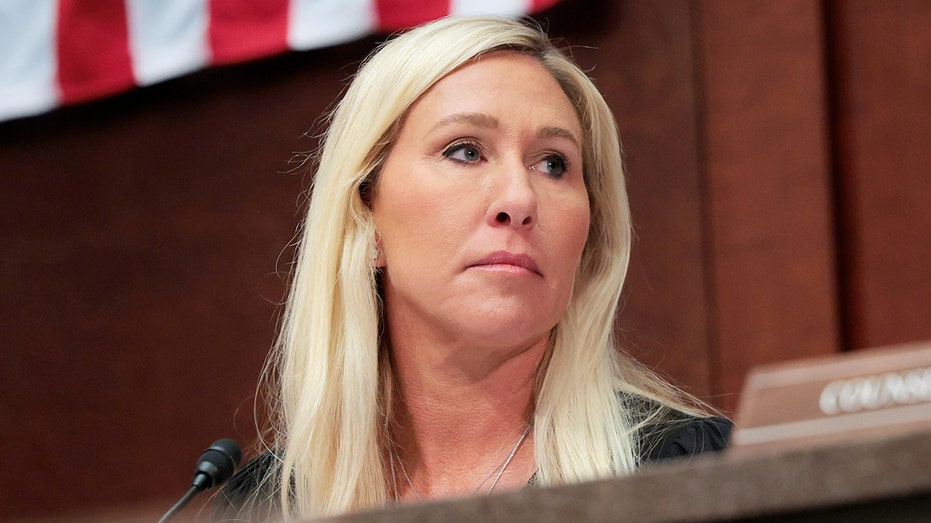
Representative Marjorie Taylor Greene, a vocal proponent of the bill, ignited a firestorm of debate leading up to the vote. Her impassioned plea – “Children are NOT experiments. No more drugs. No more surgeries. No more permanent harm.” – underscored the core belief driving the legislation: a desire to shield young people from life-altering medical interventions.
The bill’s passage was the result of a strategic maneuver by Greene, who secured a commitment from House leadership to bring her proposal to a vote in exchange for her support on a separate, crucial defense bill. This deal highlighted the significant political capital Greene wielded, even as she prepares to leave Congress next month.
However, the path forward remains fraught with obstacles. The bill faces a formidable challenge in the Senate, where Republican support alone won’t be enough for passage. Securing the backing of Democrats in the upper chamber will be essential, a prospect that appears increasingly unlikely.
The American Civil Liberties Union swiftly condemned the House’s action, warning of “immediate and devastating effects” on transgender youth and their families. The ACLU argued the bill represents a dangerous intrusion into deeply personal medical decisions, effectively criminalizing care based on ideological opposition.
Critics emphasized the years of careful consideration families often undertake before pursuing gender-affirming care for their children, and the vital role of medical professionals in guiding those decisions. The bill, they contend, places politicians squarely between families and their doctors, undermining trust and potentially causing irreparable harm.
Internal Republican disagreements also surfaced during the debate. Representative Chip Roy and Greene clashed over an amendment Roy proposed, which Greene feared would weaken the bill’s scope. She accused him of attempting to “gut the commerce clause” and protect access to these procedures.
Greene argued her bill aimed to comprehensively criminalize all pediatric gender-affirming care – surgeries, puberty blockers, and hormones – regardless of federal funding. She expressed outrage at Roy’s actions, questioning his commitment to protecting children and his suitability for a future role as Attorney General of Texas.
Roy defended his amendment as a matter of constitutional principle, asserting the need to avoid overreaching federal authority. However, he ultimately withdrew the amendment to demonstrate Republican unity on the core issue of protecting children from what he termed “grotesque procedures.”
The bill’s passage represents a significant moment in the ongoing national debate surrounding transgender rights and the role of government in healthcare decisions. Its future remains uncertain, but the intensity of the debate underscores the deeply held beliefs on both sides of this complex issue.