
The future of the Eurovision Song Contest is taking shape, with organizers confirming the 35 countries set to compete in the 2026 edition. This announcement arrives amidst a wave of controversy and withdrawal, casting a shadow over the event’s 70th anniversary.
A growing chorus of dissent led to five nations – Iceland, Spain, Ireland, Slovenia, and the Netherlands – announcing boycotts. The catalyst? The decision to allow Israel’s participation despite the ongoing conflict in Gaza. This sparked a powerful ethical debate within the music community and beyond.
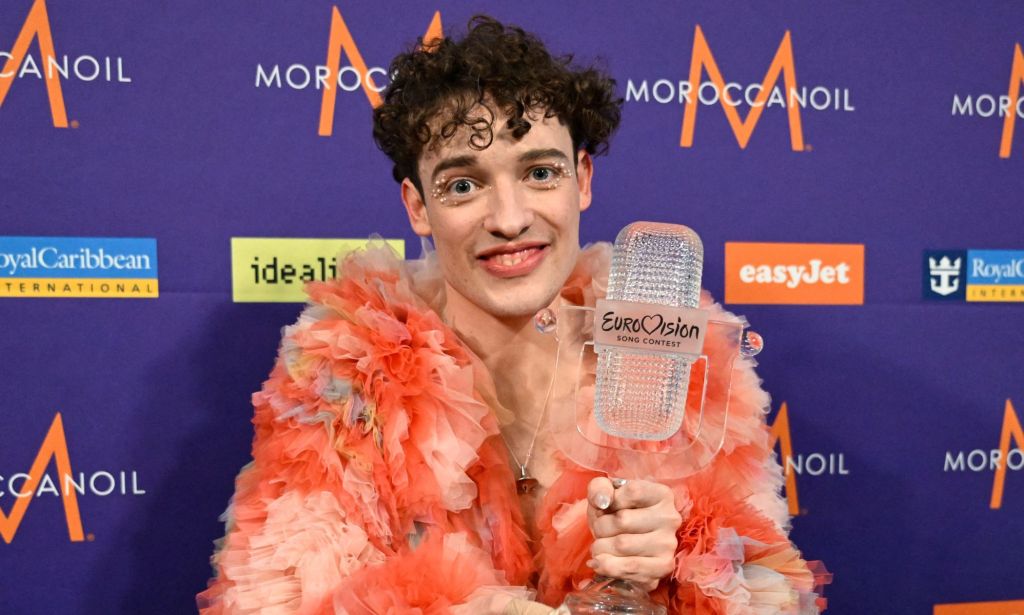
The repercussions have been felt deeply, extending beyond national broadcasters. Several past winners, including Nemo, the triumphant artist from 2024, have made the poignant decision to return their trophies as a protest against the inclusion of Israel.
The European Broadcasting Union (EBU) recently released a list of participating broadcasters, revealing a diverse lineup from across the continent and beyond. Albania, Armenia, Australia, Austria, Azerbaijan, Belgium, Bulgaria, Croatia, Cyprus, Czechia, Denmark, Estonia, Finland, France, Georgia, Germany, Greece, Israel, Italy, Latvia, Lithuania, Luxembourg, Malta, Moldova, Montenegro, Norway, Poland, Portugal, San Marino, Serbia, Sweden, Switzerland, Ukraine, and the United Kingdom will all be represented.
Notably, this year marks the return of Bulgaria, Romania, and Moldova to the contest after absences of three, two, and one year respectively. Their re-entry is a testament to the enduring appeal of Eurovision, a beacon of musical unity even in turbulent times.
Martin Green, Director of the Eurovision Song Contest, emphasized the event’s core values. He described Eurovision as a space where diverse voices and cultures converge, offering a hopeful vision of a world united through music.
In an effort to address concerns about fairness and integrity, the EBU is reinstating juries for the first time since 2022. These scores will be combined with public votes to determine the ten qualifying songs from each semi-final, aiming for a more balanced outcome.
Furthermore, the EBU is implementing enhanced technical measures to safeguard against coordinated or fraudulent voting activity. This response follows allegations of vote manipulation during previous contests, underscoring a commitment to transparency and a level playing field.
The organization has stated that these changes are vital to preserving the contest as a neutral platform for music, talent, and unity, free from external influence. The goal is to ensure the spirit of competition remains untarnished.
The 70th Eurovision Song Contest will be hosted in Vienna, promising a grand celebration of music and culture. Tickets for the live shows are scheduled to go on sale, offering fans a chance to witness this historic event firsthand.
Despite the controversies, Eurovision continues to evolve, grappling with complex geopolitical realities while striving to uphold its founding principles of inclusivity and artistic expression. The 2026 contest promises to be a pivotal moment in the event’s storied history.